How to Maintain an AI-Built App After Launch (Now That Agents Want the Job)

November 20, 2026 · 5 min read
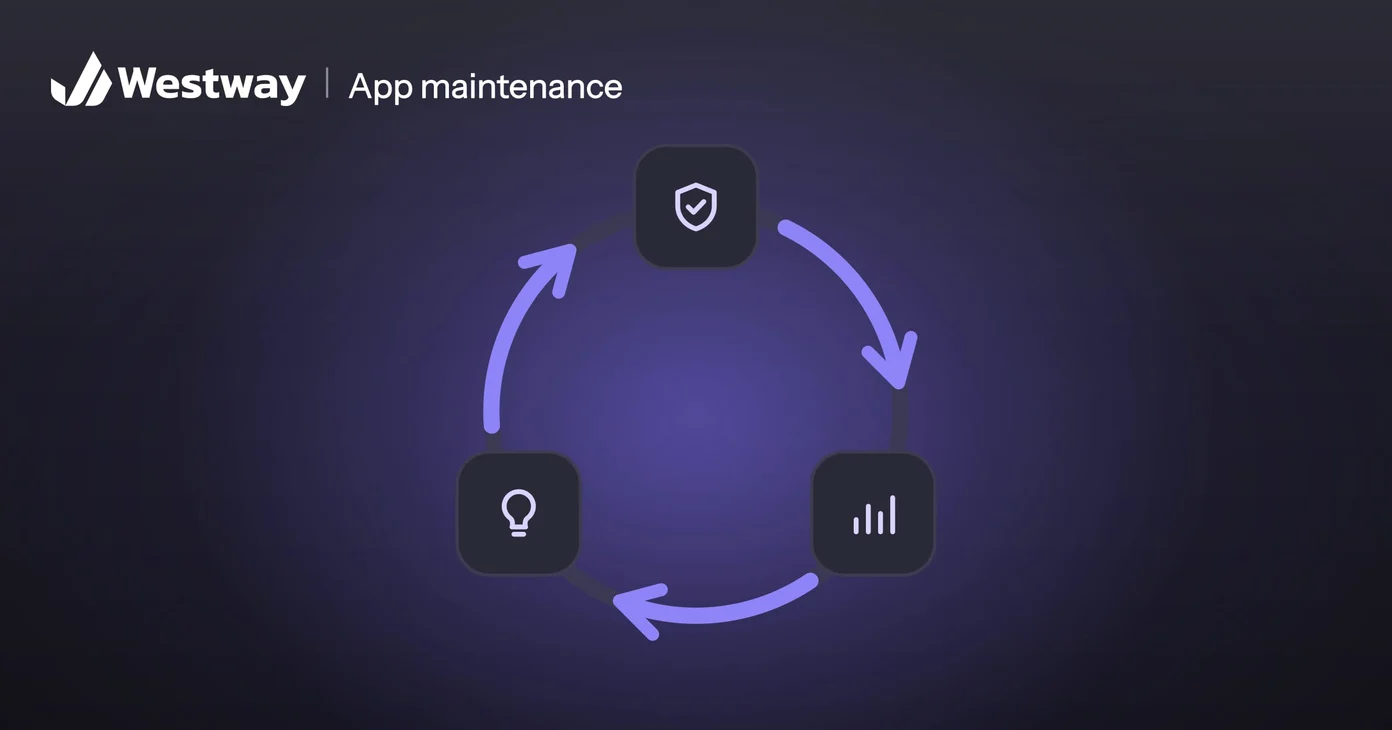
To maintain an AI-built app after launch, you need three things: a named person who owns it, a short monthly upkeep routine, and a rule that every change gets reviewed before real users see it. The app builder got you to launch; it won't keep the app secure while the services under it change.
That gap is what Google is now aiming agents at. On November 18, Google Labs announced Stitch Loop, a product agent that watches a live app and proposes fixes. It can help you maintain an AI-built app. It doesn't replace the owner.
What does it take to maintain an AI-built app?
It takes a monthly check of the parts that change without you touching them. AI-built apps tend to break from the outside in: a package gets a security fix, a model is retired, a key expires.
The list we'd give any owner who has to maintain an AI-built app:
- Updates: apply security updates to the packages the app depends on, and test the sign-in and payment flows after each one.
- AI models: check whether the model behind your AI features is scheduled for retirement. Lovable's changelog, for example, listed Gemini 3.6 Flash to stop working for its apps' AI features on November 19, 2026, and Gemini 3.7 Flash on January 28, 2027. We covered what that means in AI model retirement.
- Access: remove people who left, and rotate any key a former contractor saw.
- Backups: restore one to a test copy, so you know the backup actually works.
- Errors and costs: read the error log, and compare this month's hosting and AI bills with last month's.
None of this is hard. It gets skipped because nobody's name is on it.
What is Stitch Loop, and what does it do?
Stitch Loop is an always-on Google Labs agent that reads your code and live product data, finds problems, and proposes fixes as pull requests. A pull request is a proposed code change that someone approves before it's merged into the app.
According to Google's announcement:
- You connect GitHub and product context such as logs, user behavior and feedback, through more than 180 integrations, custom MCP servers or local uploads.
- It comes with built-in loops for security, latency (how fast the app responds) and accessibility, and you can add your own, such as improving checkout conversion.
- It writes code in an isolated cloud sandbox, opens a GitHub pull request, then keeps watching the metric after the change ships.
- The security loop pairs Google's Gemini 4 Carbon model with CodeMender, a Google DeepMind code-security agent.
Google's own line on control is plain: "Nothing merges until you review the PR." For now there's only a waitlist, open to everyone, with priority for eligible Google AI Ultra subscribers. The announcement doesn't give a price.
Can an agent maintain an AI-built app on its own?
No. An agent can find and draft fixes, but someone still has to decide which ones ship, and that person has to understand what they're approving.
This is where AI-built apps differ from ones a development team wrote. If nobody on your side reads code, agent pull requests either pile up unread or get approved without checking. The second is worse, because a speed fix can quietly change who can see what.
An agent also can't see what sits outside the code: what you promised a client about their data, who still has a login, or why the AI bill doubled. To maintain an AI-built app well, those parts of the list matter most.
What should a person still own?
A person should own the decisions and the accounts; the agent can draft the fix.
- Approval: someone who can read a pull request, or a developer you can call, reviews every change before it merges.
- Accounts: the code repository, hosting, database and domain sit in company accounts, not a former freelancer's.
- Priorities: you decide whether this month's effort goes to fixes or to a new feature.
- Incidents: someone knows what to do when the app goes down on a Saturday.
Which setup fits a small team?
For most small teams, the right setup is one internal owner for the checklist plus a developer who reviews changes, with an agent added once there's a reviewer to keep up with it. An agent without a reviewer only produces more unreviewed code.
If someone on your team is comfortable with GitHub, an agent like Stitch Loop could save them time once it's generally available. If not, the plan to maintain an AI-built app starts with finding that reviewer and handing them the accounts.
Frequently asked questions
How often should I update an AI-built app?
Check monthly, and apply security updates as soon as they're published. To maintain an AI-built app safely, test sign-in and payments after each one.
Is Stitch Loop available now?
Not generally. Google opened a waitlist on November 18, 2026, with priority for eligible Google AI Ultra subscribers, and hasn't announced a price.
Will an AI agent merge changes without me?
Not in Stitch Loop's case. Google says each fix arrives as a GitHub pull request, and nothing merges until a person approves it.
Can I maintain an AI-built app without a developer?
You can run the checklist yourself, but you need someone who can review code changes and step in during an outage, such as a part-time developer or an outside partner.
Start with an owner, then add the agent
The simplest way to maintain an AI-built app is to put one name on the monthly list this week and make sure every change gets reviewed. Agents will make the fixing faster; they won't decide what matters to your business. For a second opinion on what your app needs, our Prototype to Production team can review it, or start with a free audit.