The Build-Measure-Learn Loop Explained

July 13, 2026
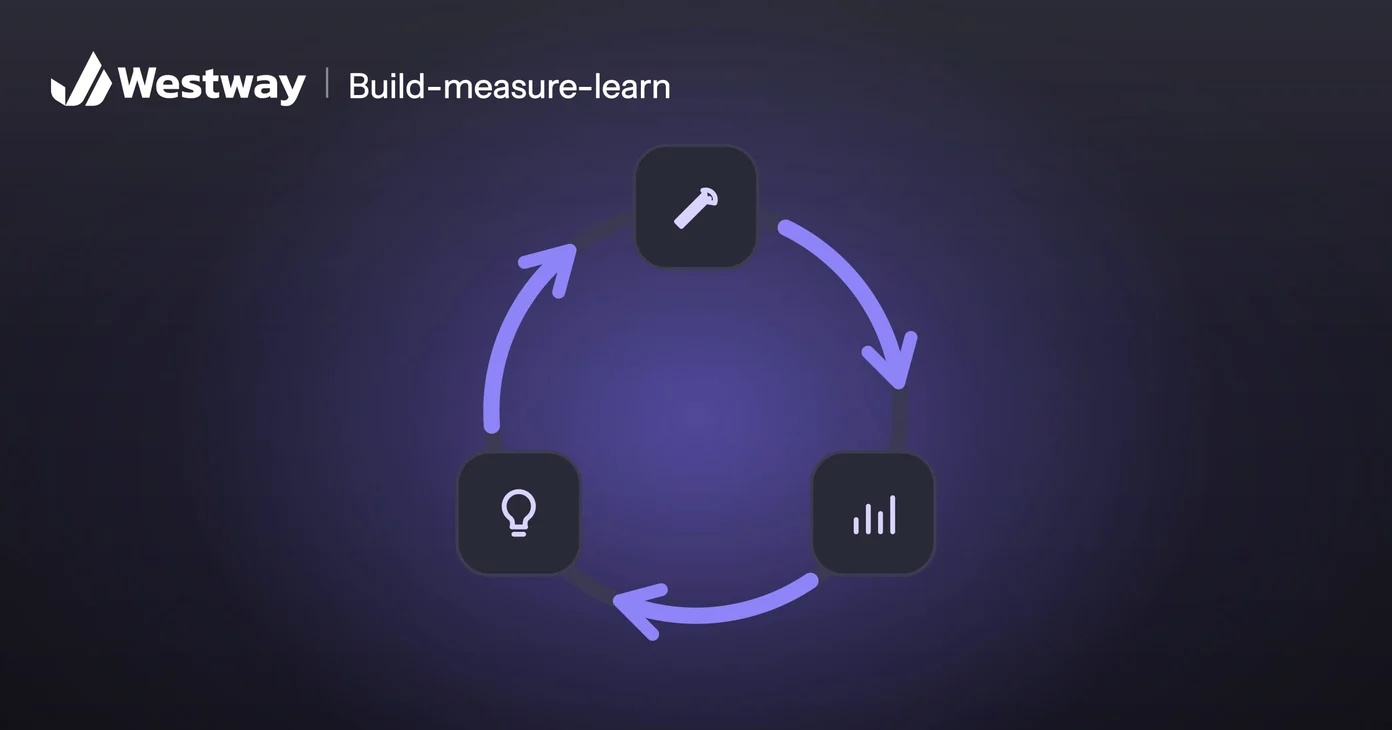
The build-measure-learn cycle is the fundamental rhythm of making progress under uncertainty. Rather than spending months planning in perfect detail and launching once, you build something small, measure how it performs, learn from the results, and repeat. This cycle is the heart of the Lean approach to business, and it is one of the most powerful ways to stay ahead in a fast-moving world. Understanding and practicing the loop dramatically improves how quickly you learn and how much waste you avoid.
What are the three steps of build-measure-learn?
The steps are build, measure, and learn, in that order. Build means creating a version of something that is good enough to test, not perfect. It could be a landing page, a product prototype, a feature, a marketing campaign, or even a business idea in the smallest viable form. The point is to stop planning and create something real people can interact with. Measure means gathering data on how it performs: did people use it, did they find value, where did they struggle, what happened. Learn means analyzing that data and extracting insight: what worked, what did not, and what to change next time. Then you loop back and build the next version based on what you learned. The elegance is in the cycle; do not fall into the trap of endless building or endless planning. Rapid iteration, informed by real feedback, beats perfect planning every time.
Why does build-measure-learn beat upfront planning?
It puts your assumptions in front of real users early, while mistakes are still cheap. Before the build-measure-learn approach became popular, organizations would spend months or years planning, gathering requirements, analyzing markets, and forecasting outcomes, then launch once with high expectations and high risk. The problem: markets change, predictions are often wrong, and assumptions go unchallenged until you launch. A build-measure-learn cycle forces reality into the picture early. You learn from real users and real markets in weeks, not months. You fail fast and cheap when your assumptions are wrong, rather than discovering it after a large investment. You build conviction from evidence rather than opinion. The people who practice this loop stay ahead because they learn faster than competitors, which in volatile markets is the ultimate advantage.
How much should you build before you test?
Less than most teams expect, though enough that the test proves something. The “build” part trips many teams up. Some build too much, adding features nobody asked for and delaying the test. Others build too little, so the test proves nothing. The sweet spot is a version that answers one specific question about whether something is worth pursuing further, with the smallest effort required to answer it. For a product feature, that might be a prototype that works on paper or for a single use case. For a marketing idea, it might be a small, targeted test campaign. For a business idea, it might be a simple landing page with a waitlist. The constraint forces clarity about what you actually need to learn, which makes the whole loop tighter and faster.
What should you measure in each cycle?
Measure whether you solved the problem for the person, rather than metrics that feel positive but do not actually matter, such as page views without engagement or download counts without actual usage. Did they use it? Did they come back? Did they recommend it? Did they pay for it? Did they leave a positive review? The metrics should connect directly to your success criteria for that particular build, and they should be honest rather than flattering. Vanity metrics feel good but waste the opportunity to learn. Measuring the hard truths is what makes the loop work.
When does build-measure-learn fail?
The loop fails when people do not actually learn, instead confirming what they already believed. It fails when the time between builds stretches too long, losing the momentum of feedback. It fails when measurement is so incomplete that it does not answer the core question. It fails when people build the same thing over and over without changing course based on learnings. Avoiding these traps means staying honest, measuring the right things, keeping cycles fast, and having the courage to change direction based on evidence. Teams that master this thinking do not waste time on ideas that do not work and double down quickly on what does.
Frequently asked questions
How quickly should each build-measure-learn cycle run?
Ideally, weeks, not months. A cycle that takes more than a month usually loses momentum and becomes disconnected from reality.
What if measurement shows the idea was wrong?
That is the point. Learning that an idea is wrong saves you from months of wasted effort. Pivot to what you learned and try again.
Does this apply to large organizations?
Yes. The bigger the organization, the more critical the loop becomes, because it fights the tendency to over-plan and under-learn.
How do you share learnings across a team?
Capture what you learned in writing, share results openly, and use those insights to inform the next cycle. Make learning visible and part of the culture.
Speed learning with rapid cycles
The build-measure-learn cycle is how you stay competitive in a world that changes faster than you can predict. Our digital strategy team helps businesses implement Lean thinking and rapid-cycle approaches to product, marketing, and strategy.